Governance vs. Management Clarifying the Roles
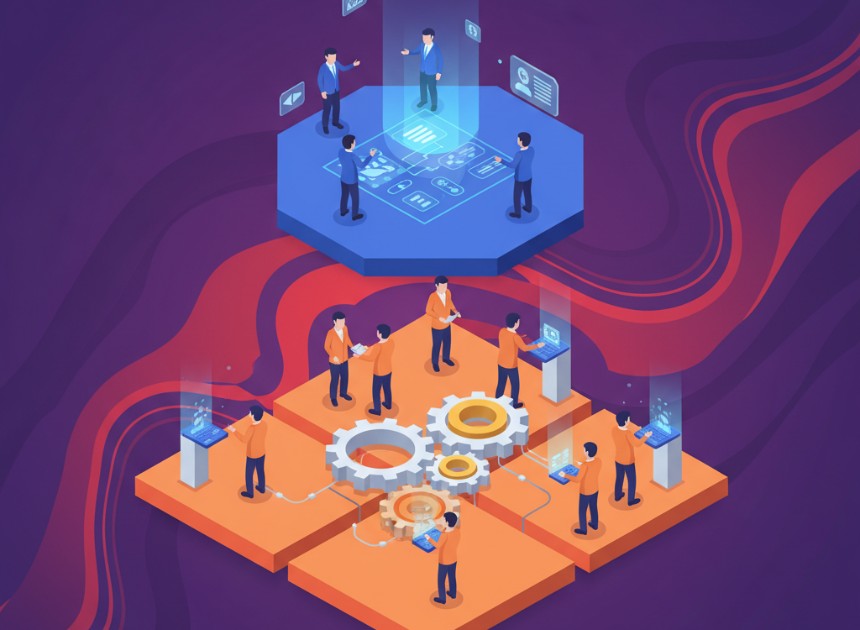
Governance vs. Management: Clarifying the Roles
In the complex landscape of modern business, the terms governance and management are often used interchangeably. However, for leaders aiming to implement robust security frameworks like ISO/IEC 27001:2022 or NIST CSF 2.0, distinguishing between the two is not just an academic exercise—it is a functional necessity. At iExperts, we consistently see that the most resilient organizations are those where the board and executive leadership understand where strategy ends and execution begins.
The Governance Pillar: Setting the Course
Governance is the responsibility of the board of directors and executive leadership. Its primary purpose is to provide direction, oversee performance, and ensure that the organization’s objectives are met while managing risk. It is about asking the right questions rather than providing all the technical answers.
- Value Creation: Ensuring that IT and security investments deliver actual business value.
- Risk Appetite: Defining how much risk the organization is willing to tolerate to achieve its goals.
- Resource Alignment: Making certain that management has the necessary resources to protect the organization's crown jewels.
"Governance ensures that stakeholder needs, conditions, and options are evaluated to determine balanced, agreed-on enterprise objectives to be achieved."
The Management Engine: Driving Execution
Management, on the other hand, involves the planning, building, running, and monitoring of activities in alignment with the direction set by the governance body. If governance is the compass, management is the engine. Management is responsible for the day-to-day implementation of controls, such as those found in PCI DSS 4.0 or GDPR compliance workflows.
- Operational Planning
- Technical Control Implementation
- Incident Response and Mitigation
- Compliance Reporting
Pro Tip
When defining your GRC framework, use a RACI Matrix to explicitly map out who is Accountable (Governance) versus who is Responsible (Management). This prevents the common pitfall of executive micromanagement or, conversely, operational drift where technical teams make high-level risk decisions without authorization.
Achieving synergy between these two functions requires constant communication. Governance provides the mandate, and management provides the data-driven feedback to adjust that mandate over time. At iExperts, we help organizations bridge this gap by establishing clear reporting lines and integrated risk management systems that satisfy both board-level oversight and technical operational needs.