The Green Data Center Navigating ISO 14001 for Sustainable Growth
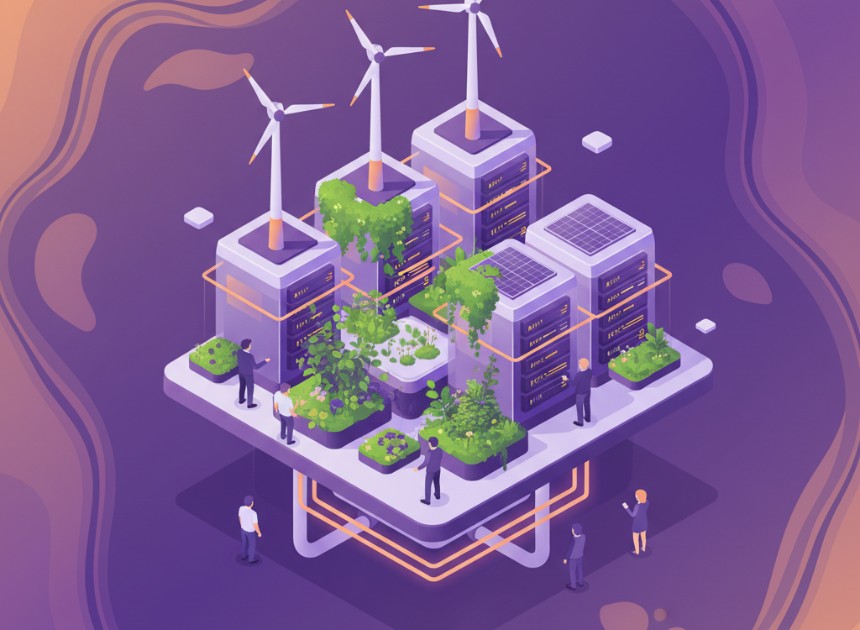
The Green Data Center: Navigating ISO 14001
As the demand for high-performance computing and massive data processing continues to surge, the environmental footprint of data centers has come under intense scrutiny. Organizations are no longer just evaluated on their uptime or security posture; they are now judged on their carbon footprint and resource management. At iExperts, we recognize that the path to a sustainable digital future requires a robust framework. This is where ISO 14001:2015 becomes an indispensable tool for the modern enterprise.
The Strategic Framework of ISO 14001
ISO 14001 is the international standard for an Environmental Management System (EMS). It provides a structured approach to managing environmental impacts while enhancing operational performance. For data centers, this means moving beyond simple energy-saving tactics to a holistic lifecycle approach. By adopting the Plan-Do-Check-Act (PDCA) methodology, organizations can systematically identify their most significant environmental aspects, from electricity consumption to the disposal of obsolete hardware.
"Sustainability in technology is not a sacrifice of performance; it is a refinement of efficiency that ensures long-term business resilience and regulatory compliance."
Key Deliverables for a Sustainable Infrastructure
Implementing ISO 14001 in a data center environment requires focus on several critical areas. Achieving certification signifies that an organization is committed to continuous improvement in these domains:
- Energy Efficiency (PUE Optimization)
- Electronic Waste (e-Waste) Lifecycle Management
- Water Usage Effectiveness (WUE) for Cooling
- Renewable Energy Integration
Balancing Performance and Compliance
One of the primary challenges in the data center industry is the perceived conflict between high-performance computing (HPC) and energy conservation. However, aligning environmental goals with frameworks like NIST CSF 2.0 and ISO/IEC 27001:2022 allows for a unified approach to Governance, Risk, and Compliance (GRC). By optimizing the physical environment and hardware utilization, firms can actually improve system stability and reduce long-term operational costs.
- Asset Tracking: Maintaining a detailed inventory of hardware to manage the full lifecycle from procurement to ethical recycling.
- Emission Reporting: Establishing clear metrics for Scope 1, 2, and 3 emissions to meet emerging global regulatory requirements such as the GDPR's indirect focus on data governance and environmental impact.
- Supply Chain Audit: Ensuring that upstream providers and downstream waste processors adhere to equivalent environmental standards.
Pro Tip
When conducting an environmental impact analysis, leverage the principles found in ISO 14040 for Lifecycle Assessment (LCA). This technical standard helps you evaluate the environmental burdens associated with a product or system throughout its entire life, which is critical for justifying the ROI of modern liquid cooling solutions versus traditional air cooling.
The transition to a green data center is a marathon, not a sprint. By leveraging the expertise at iExperts, your organization can navigate the complexities of ISO 14001, ensuring that your infrastructure is as sustainable as it is secure. In the age of environmental accountability, green computing is no longer optional—it is the standard for excellence.