Securing the Virtualization Layer VMware and Hyper-V Risk Management
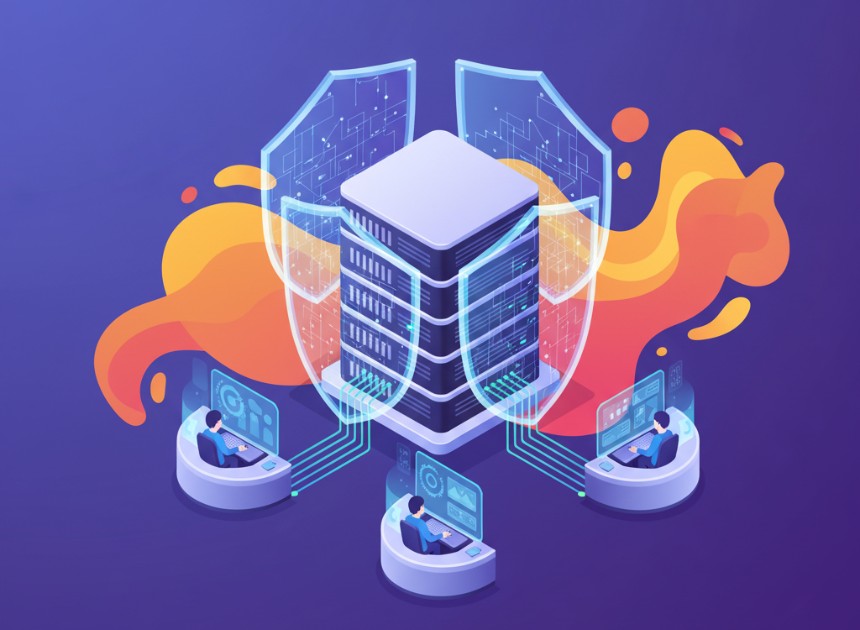
Securing the Virtualization Layer: Strategies for VMware and Hyper-V Environments
As organizations continue to centralize their compute resources, the virtualization layer has become the cornerstone of the modern data center. However, this consolidation brings a concentrated risk: the hypervisor itself. At iExperts, we have observed an increasing number of sophisticated adversaries targeting the software that separates virtual machines from the physical hardware. When the hypervisor is compromised, the isolation between tenants or applications disappears, leading to what is known as a Guest-to-Host Escape.
Understanding the Virtualization Threat Landscape
The hypervisor serves as the traffic controller for CPU, memory, and storage requests. In a VMware ESXi or Microsoft Hyper-V environment, a vulnerability in the virtualization stack could allow an attacker to bypass the virtual boundary. Once an attacker gains control of the host system, they possess unrestricted access to every virtual machine running on that hardware, effectively bypassing traditional network-based security controls.
Core Hardening Deliverables
Aligning with standards such as NIST CSF 2.0 and ISO/IEC 27001:2022, our team at iExperts recommends the following critical security controls for your virtualization stack:
- Management Network Isolation
- Hardware-Rooted Trust (vTPM)
- Disabled Unnecessary Services
- Secure Boot Enforcement
"The goal of virtualization security is to ensure that the logical boundaries are as resilient as physical ones. If your hypervisor management plane is accessible from the production network, you have already lost the battle."
Pro Tip
Ensure you enable VBS (Virtualization-Based Security) in Windows environments. This utilizes hardware virtualization features to create a secure region of memory, isolated from the operating system, which can protect sensitive security secrets like credential hashes from being scraped by attackers.
Operational Best Practices
- Patching Cadence: Hypervisor patches often include critical microcode updates for CPU vulnerabilities (like Spectre or Meltdown). Prioritize these within a 48-hour window.
- Role-Based Access Control: Limit the number of administrators with "Root" or "Global Admin" privileges. Use just-in-time access where possible.
- Log Aggregation: Send all VM-kernel and management logs to a centralized SIEM to detect unauthorized changes in the hypervisor configuration.
At iExperts, we specialize in deep-dive infrastructure audits that uncover these often-overlooked configuration gaps. Securing the hypervisor is not a one-time task but an ongoing commitment to architectural integrity. By hardening these layers today, you protect the entire digital ecosystem of your enterprise.