Cloud DR Solving the Single Point of Failure Risk
Cloud DR: Solving the Single Point of Failure Risk
The migration to the cloud was once hailed as the ultimate solution for uptime and reliability. However, as the digital landscape matures, many organizations have realized that the cloud is not a magic bullet for availability. Relying on a single cloud provider or even a single geographic region within that provider creates a Single Point of Failure (SPOF). When a major provider experiences a regional outage, businesses without a diversified Disaster Recovery (DR) strategy often find themselves completely offline, facing significant financial and reputational damage.
The Hidden Dangers of Vendor Lock-in
While consolidating services under one provider may offer administrative ease, it introduces a dangerous level of dependency. At iExperts, we frequently observe that organizations overlook the strategic risk of vendor lock-in during their initial cloud journey. A comprehensive DR plan must address the following concerns:
- Regional Concentration: Storing all backups and production workloads in a single AWS, Azure, or GCP region.
- Platform Vulnerability: Global configuration errors at the provider level that can affect multiple regions simultaneously.
- Compliance Gaps: Failing to meet standards like ISO 27001:2022 or NIST CSF 2.0 which mandate robust resilience and contingency planning.
Strategic DR Models for Modern Enterprises
To mitigate these risks, iExperts recommends shifting toward architectures that prioritize geographic and platform diversity. Depending on your Recovery Time Objective (RTO) and Recovery Point Objective (RPO), you should consider:
- Multi-Region Strategy
- Hybrid Cloud DR
- Cross-Cloud Portability
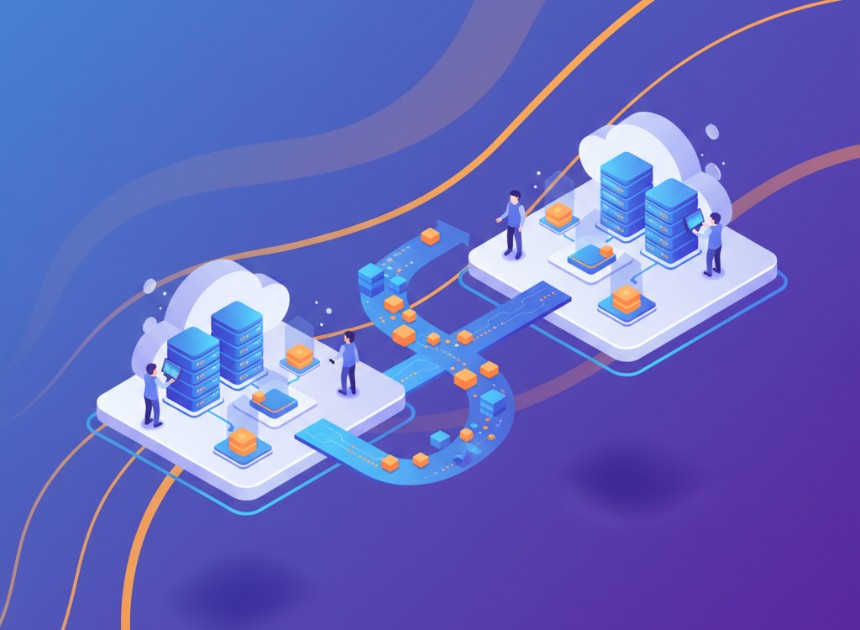
A Multi-Region strategy ensures that if 'US-East-1' fails, your 'US-West-2' environment can take over traffic immediately. A Hybrid model, conversely, uses on-premises infrastructure as a fail-safe for critical cloud workloads, providing a physical buffer against provider-wide service interruptions.
"Resilience is not just about having a backup; it is about the ability of the organization to maintain operations regardless of the platform failures occurring beneath them."
Pro Tip
Always perform automated failover testing at least quarterly. A disaster recovery plan is merely a theory until it is validated through a Chaos Engineering exercise or a live failover test. This ensures that your DNS routing, database replication, and application secrets are synchronized across your DR sites.
Conclusion
Solving the Single Point of Failure risk requires a proactive approach to GRC and technical architecture. By leveraging the expertise of the iExperts team, your organization can move beyond basic cloud hosting into a state of true operational resilience. Don't wait for the next major outage to realize your DR plan is insufficient; diversify your cloud footprint today.