The Lifecycle of a Digital Asset From Procurement to Retirement
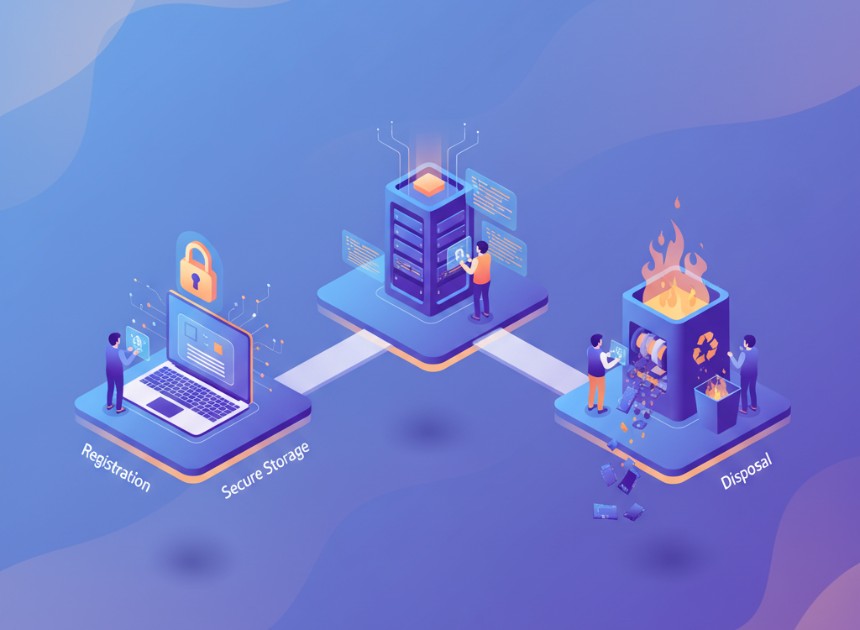
The Lifecycle of a Digital Asset: From Procurement to Retirement
In the modern enterprise, you cannot protect what you cannot see. As organizations scale, the proliferation of hardware, software licenses, and cloud instances creates a complex web of vulnerabilities. At iExperts, we view digital asset management not just as an administrative task, but as a core pillar of a robust Governance, Risk, and Compliance (GRC) strategy. A single unmanaged device can serve as the primary entry point for a sophisticated breach.
Phase 1: Procurement and Strategic Onboarding
The lifecycle begins long before a device is powered on. Proper procurement ensures that every asset entering the environment meets the security standards defined in ISO/IEC 27001:2022. This phase involves vetting vendors and ensuring that hardware supports necessary encryption and security features.
- Vetting: Verifying the supply chain integrity to prevent hardware-level backdoors.
- Inventory Tagging: Assigning unique identifiers to ensure 100% visibility from day one.
- Standardized Configuration: Applying baseline security images before the asset reaches the end user.
"Visibility is the foundation of security. An undocumented asset is an unmanaged risk that bypasses all your perimeter defenses."
Phase 2: Active Management and Maintenance
Once an asset is operational, the focus shifts to maintaining its integrity. This aligns with NIST CSF 2.0, emphasizing the 'Protect' and 'Detect' functions. Continuous monitoring is essential to prevent Shadow IT from compromising the network. The team at iExperts recommends a centralized dashboard for real-time tracking.
- Automated Patching
- Vulnerability Scanning
- License Optimization
- User Access Reviews
Pro Tip
Integrate your Asset Management Database with your SIEM to automatically flag any unknown device attempting to connect to critical segments of your network.
Phase 3: Secure Retirement and Disposal
The final stage is often the most neglected, yet it poses the highest risk for data leaks. Secure disposal must comply with GDPR and local privacy laws. It is not enough to simply delete files; physical or cryptographic Sanitization is required to ensure no residual data remains on the media.
- Data Wiping: Utilizing industry-standard patterns (NIST 800-88) for data destruction.
- Certificate of Destruction: Maintaining a paper trail for auditing and compliance verification.
- Sustainability: Ensuring that decommissioned hardware is recycled through certified e-waste partners.
Mastering the digital asset lifecycle is a journey of continuous improvement. By partnering with iExperts, your organization can transform ITAM from a logistical hurdle into a strategic advantage that strengthens your overall security posture and ensures long-term compliance.