Banking Security Mastering PCI-PIN and PCI-3DS Compliance
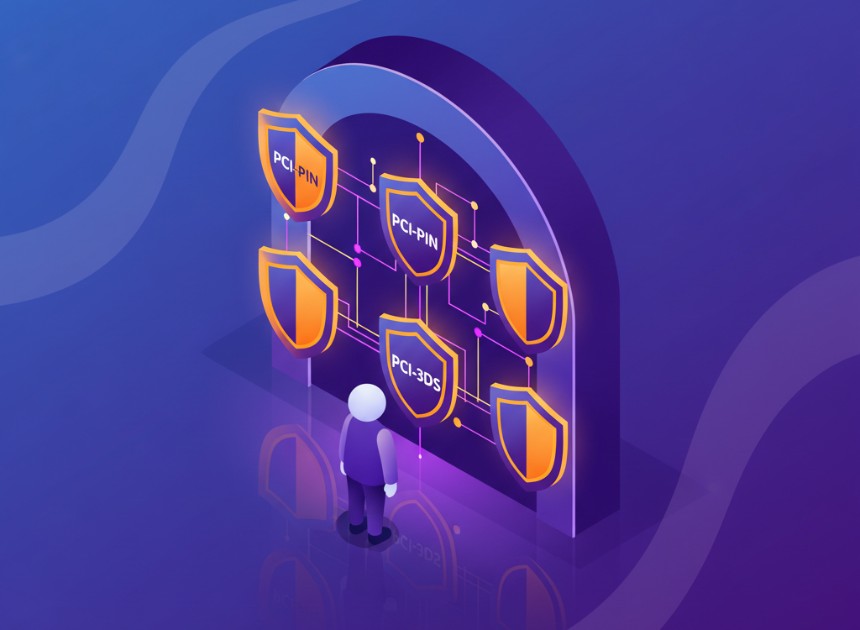
Banking Security: Mastering PCI-PIN and PCI-3DS
In the high-stakes world of global finance, the margin for error in data security is non-existent. As digital transactions become the default, the mechanisms protecting personal identification numbers and online authentication have never been more critical. At iExperts, we recognize that mastering specific standards like PCI-PIN and PCI-3DS is not just a regulatory checkbox; it is the cornerstone of institutional trust and operational resilience.
The Rigor of PCI-PIN Security
The PCI-PIN (Personal Identification Number) Security Requirements ensure the secure management, processing, and transmission of PIN data during online and offline payment card transactions. Unlike general data standards, PCI-PIN focuses heavily on the physical and logical security of cryptographic keys and the Hardware Security Modules (HSMs) that house them.
- Key Management: Implementing strict dual control and split knowledge for all cryptographic operations.
- Equipment Security: Ensuring that all Point of Interaction (POI) devices are tamper-responsive and validated.
- Secure Transmission: Utilizing robust encryption to prevent PIN blocks from being intercepted during transit.
Advancing E-commerce with PCI-3DS
As card-not-present fraud continues to evolve, the PCI-3DS (Three-Domain Secure) standard provides the framework for securing the 3-D Secure infrastructure. This protocol adds an extra layer of authentication for online purchases, involving the issuer, the acquirer, and the interoperability domain. Compliance ensures that the Access Control Server (ACS) and Directory Server (DS) environments are hardened against sophisticated cyber threats.
- Transaction Integrity
- User Authentication
- Data Confidentiality
"The complexity of banking security requires a shift from reactive defense to proactive governance. By aligning PCI-PIN and PCI-3DS strategies, organizations create a seamless, fortified environment for every stakeholder in the payment ecosystem."
Pro Tip
Always ensure your HSM (Hardware Security Module) firmware is updated to versions that support current NIST-approved cryptographic algorithms. Legacy algorithms are often the first point of failure in a PIN security audit. iExperts recommends a quarterly review of key rotation logs to ensure compliance with the latest PCI requirements.
Navigating these rigorous standards requires a partner who understands the intersection of technology and regulation. At iExperts, we provide the technical depth and strategic oversight needed to master the most demanding financial security challenges. Whether you are upgrading your PIN processing environment or securing a new 3DS implementation, our team is here to ensure your journey is secure and compliant.