Securing the Data Center Uptime Institute Audit Readiness
Securing the Data Center: Uptime Institute Audit Readiness
In an era where digital operations are the backbone of global commerce, the resilience of physical infrastructure is no longer just a technical concern; it is a strategic business imperative. For organizations seeking to demonstrate reliability, the Uptime Institute Tier Classification System serves as the gold standard. However, achieving and maintaining these certifications requires more than just high-end hardware. It demands a rigorous alignment of physical security, operational procedures, and governance frameworks that iExperts specializes in delivering.
Understanding the Tier Requirements
The Uptime Institute classifies data centers into four distinct tiers based on their Performance-Based Standards. To pass an audit, infrastructure must meet specific criteria for power, cooling, and maintenance capabilities:
- Tier I & II: Focus on basic capacity and redundant components to mitigate impact from equipment failures.
- Tier III: Requires concurrent maintainability, ensuring that any component can be removed for planned maintenance without interrupting the load.
- Tier IV: The pinnacle of reliability, requiring fault tolerance where a single failure in any system will not affect the critical environment.
"Audit readiness is not a one-time event but a continuous state of operational excellence. It bridges the gap between theoretical design and actual performance under stress."
The Intersection of Physical Security and GRC
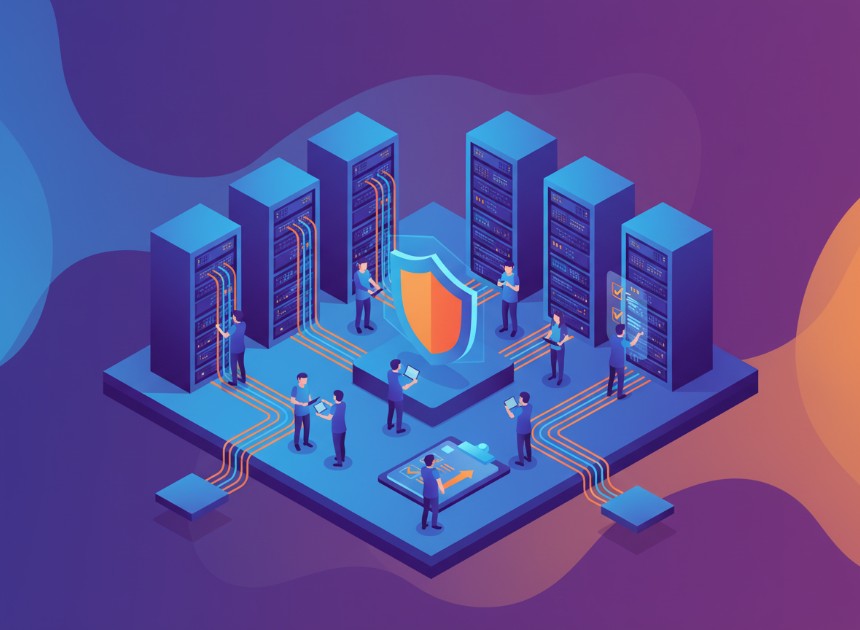
While Uptime Institute focuses on availability, standards like ISO/IEC 27001:2022 and NIST CSF 2.0 demand that physical access is strictly controlled. An audit-ready data center must harmonize these disciplines. At iExperts, we advise clients to view physical security as the first layer of the defense-in-depth strategy. This includes everything from biometric access controls and surveillance to the logging of environmental anomalies.
Key Deliverables for a Successful Audit
- Standard Operating Procedures (SOPs)
- Maintenance Logs and Schedules
- Emergency Operating Procedures (EOPs)
- Physical Access Authorization Matrix
Pro Tip
When preparing for a Tier III or IV audit, ensure that your Single Point of Failure (SPOF) analysis includes not just power and cooling, but also data pathways and security systems. A failure in a security controller should never lead to an unsecured or locked-down state that prevents emergency maintenance.
Conclusion
Securing a data center and achieving Uptime Institute certification is a complex journey that requires a blend of engineering precision and rigorous compliance management. By aligning your physical infrastructure with global GRC standards, you protect not only your hardware but the very continuity of your business. The team at iExperts is dedicated to guiding you through every step of this process, ensuring your facility is not just compliant, but resilient.